
NPKs (Granular, Water soluble both)
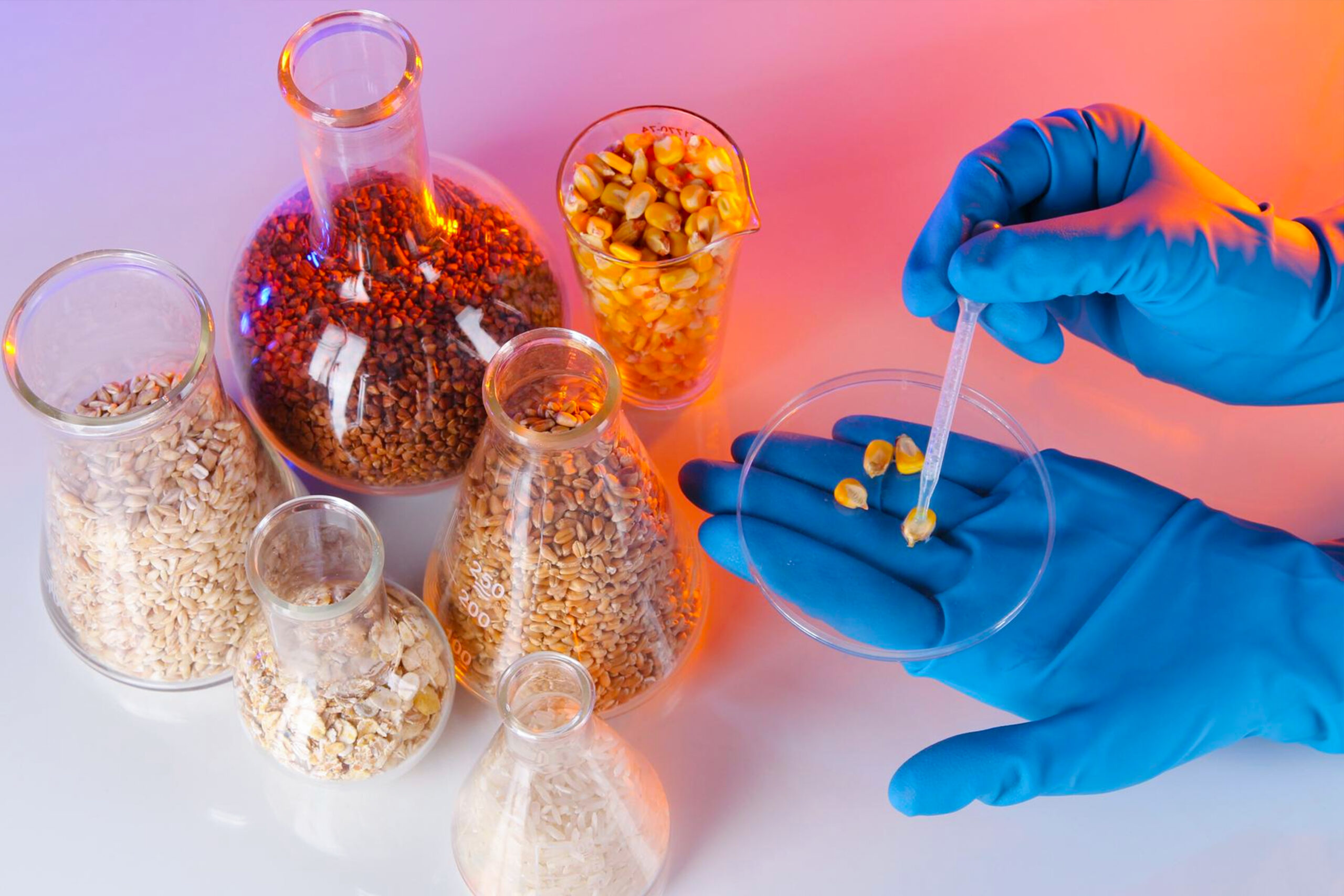
NPK fertilizers provide three essential macronutrients—Nitrogen (N), Phosphorus (P), and Potassium (K)—in varying ratios to meet the nutritional requirements of different crops and soils. They play a key role in enhancing plant growth, improving yield quality, and optimizing nutrient balance throughout the plant’s life cycle. Available in both granular and water-soluble forms, NPK fertilizers offer flexibility for diverse application methods including soil broadcasting, fertigation, and foliar feeding.
Applications of NPKs (Granular, Water soluble both)
Granular NPK fertilizers are ideal for soil application during land preparation and as a top dressing for standing crops. They suit a wide variety of crops including cereals, pulses, fruits, vegetables, plantations, and ornamentals. Granular forms provide controlled, slow nutrient release that improves availability and reduces nutrient losses. They support root development, vegetative growth, flowering, fruit setting, and overall biomass accumulation.
Water-soluble NPK fertilizers dissolve quickly, making them perfect for use in fertigation, hydroponics, and foliar applications that require rapid, precise nutrient delivery. They are especially useful for high-value horticultural crops, greenhouse cultivation, and situations demanding immediate nutritional correction. These forms help prevent nutrient imbalances and provide uniform, bioavailable nutrition.
Advantages of NPKs (Granular, Water soluble both)
Offer balanced nutrient ratios tailored to specific crop and soil needs, enhancing growth and maximizing crop yield.
Granular NPK improves soil fertility and physical properties with controlled nutrient release.
Water-soluble NPK increases nutrient use efficiency and reduces environmental losses.
Compatible with modern irrigation and fertilization technologies allowing flexible, precise nutrient management.
Support sustainable agricultural practices through enhanced nutrient balance and reduced chemical wastage.
Additional Details
Storage:
Store NPK fertilizers in a cool, dry, and well-ventilated area maintaining temperatures ideally between 15-25°C to sustain fertilizer quality.
Protect from moisture, direct sunlight, and contamination by using sealed, moisture-proof containers or bags.
Keep fertilizers off the ground on pallets or shelves to avoid moisture absorption and maintain air circulation.
Segregate NPK fertilizers from incompatible chemicals (acids, bases, oxidizers) and ensure clear labeling.
Regularly inspect stocks for signs of caking, degradation, or insect/pest infestation and practice FIFO inventory management.